Overview
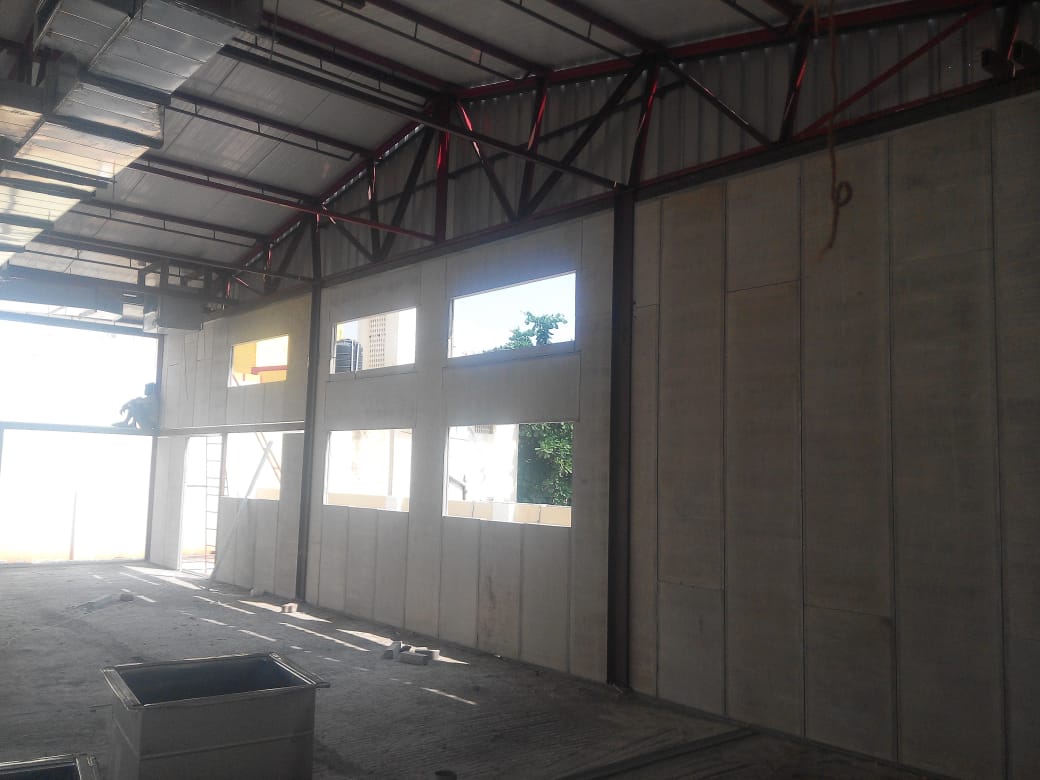
The construction of factory buildings in civil engineering involves a detailed and methodical approach, encompassing site selection, design, and the integration of various structural, mechanical, and electrical systems. A factory building must cater to specific operational requirements, such as sufficient space for machinery, storage, and assembly lines, while also ensuring safety, durability, and efficiency. The process begins with a thorough site analysis, considering factors such as soil condition, access to transportation, local regulations, and environmental impact. Once the site is chosen, the design phase begins, focusing on creating a layout that supports optimal workflow, accommodates heavy machinery loads, and allows for future expansions. Structural elements, such as reinforced concrete foundations, steel frames, and prefabricated panels, are commonly used to ensure the building can support the load demands of equipment and high foot traffic. Additionally, the roof design must account for the need to install heavy ventilation systems and withstand extreme weather conditions. The building's internal layout is often customized to fit specific industrial operations, with clear divisions for production, storage, and office spaces. Incorporating safety measures, such as fire-resistant materials, emergency exits, and proper ventilation, is critical in ensuring the safety of workers and compliance with regulatory standards. Furthermore, factory buildings must be designed with energy efficiency in mind, integrating renewable energy sources, efficient lighting, and advanced insulation to minimize operational costs. The construction phase involves precise coordination among various teams, including structural engineers, electrical engineers, and contractors, ensuring that the building is completed on time, within budget, and to specification. This stage also involves the installation of machinery, equipment, and the necessary utilities such as water supply, waste management, and HVAC systems. The building must also be tested for structural integrity and environmental compliance before it is handed over for operational use. Overall, the construction of factory buildings requires a deep understanding of both civil engineering principles and industrial requirements, ensuring that the final structure is functional, safe, and sustainable for the long term.
